
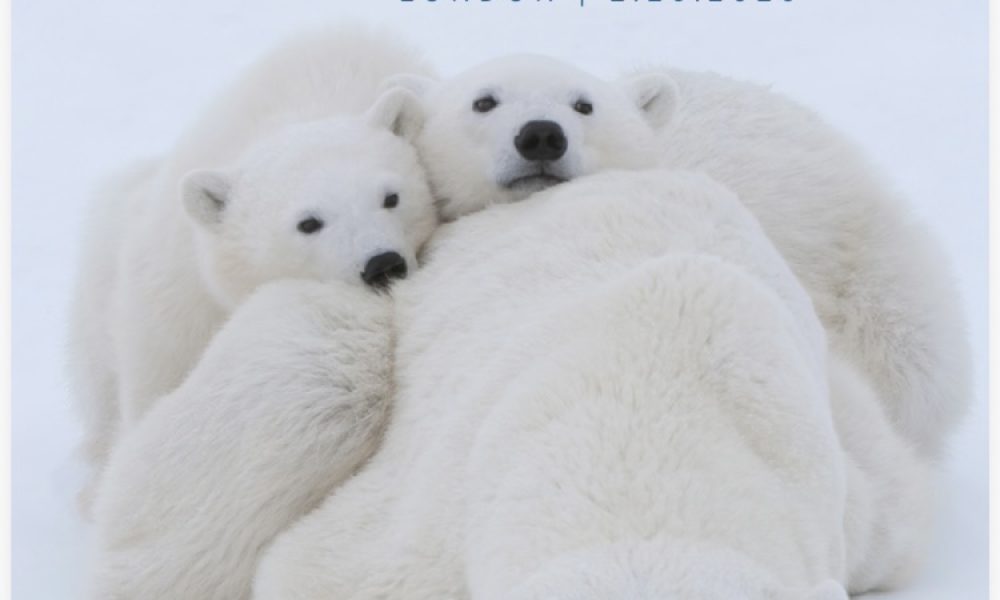
International Polar Bear Day is marked each year to shine a light on the challenges facing polar bears in a rapidly warming Arctic. The day is timed to coincide with the denning season, when mothers and cubs are tucked away beneath the snow across the Arctic, one of the most vulnerable stages in a polar bear’s life.
This year, the day feels especially relevant for us at Rose Media Group. Our Founder, Aneela Rose, was invited to attend a Polar Bear International meet-and-greet, offering the chance to better understand the science, research and real-world pressures shaping polar bear conservation today.
It’s a subject and a part of the world particularly close to Aneela’s heart. More on that in March.
The invitation came from Arctic explorer Hilde Fålun Strøm, whose work in Svalbard provides first-hand insight into how quickly conditions in the Arctic are changing. At the event, Aneela also met Krista Wright and Janette May from Polar Bears International, learning more about the research focused on protecting denning mothers and cubs.
Polar bear facts at a glance
- There are an estimated 25,000 polar bears left in the wild.
- Polar bears are found across the Arctic in five key regions: Canada, Alaska (USA), Greenland, Russia and Norway (including Svalbard).
- The global population is split into 19 recognised subpopulations, each experiencing different levels of risk.
- The biggest threat to polar bear population stability is cub survival, not adult numbers.
- Sea ice loss, driven by climate change, reduces access to food and disrupts traditional denning patterns.
Why denning matters
Denning is a make-or-break period. Polar bear cubs are born blind, tiny and completely dependent on their mothers. Stable snow and ice conditions are essential. As Arctic temperatures rise and sea ice patterns shift, denning sites are becoming less predictable, making those first months even tougher.
Research into where bears den, how mothers behave, and how the Arctic environment is changing plays a crucial role in shaping protection measures and influencing wider conservation decisions.
Why this matters to Rose Media Group
At Rose Media Group, we’ve spent years supporting organisations working to raise awareness of endangered species and fragile ecosystems. Attending events like this isn’t about optics, it’s about understanding the detail behind the issue.
As a communications agency, we believe environmental storytelling needs to be grounded in evidence. Climate change and biodiversity loss are complex, and communicating them responsibly means listening to scientists, conservationists and people working in extreme environments, then translating that knowledge clearly.
International Polar Bear Day is a reminder that awareness is only the starting point. Progress comes from informed conversations and a willingness to engage with what’s really happening, because when it comes to protecting endangered species, understanding is what makes the difference.